Gym rubber flooring is slip-resistant due to textured surfaces providing excellent grip when wet or dry.
Is Gym Rubber Flooring Slip-Resistant?
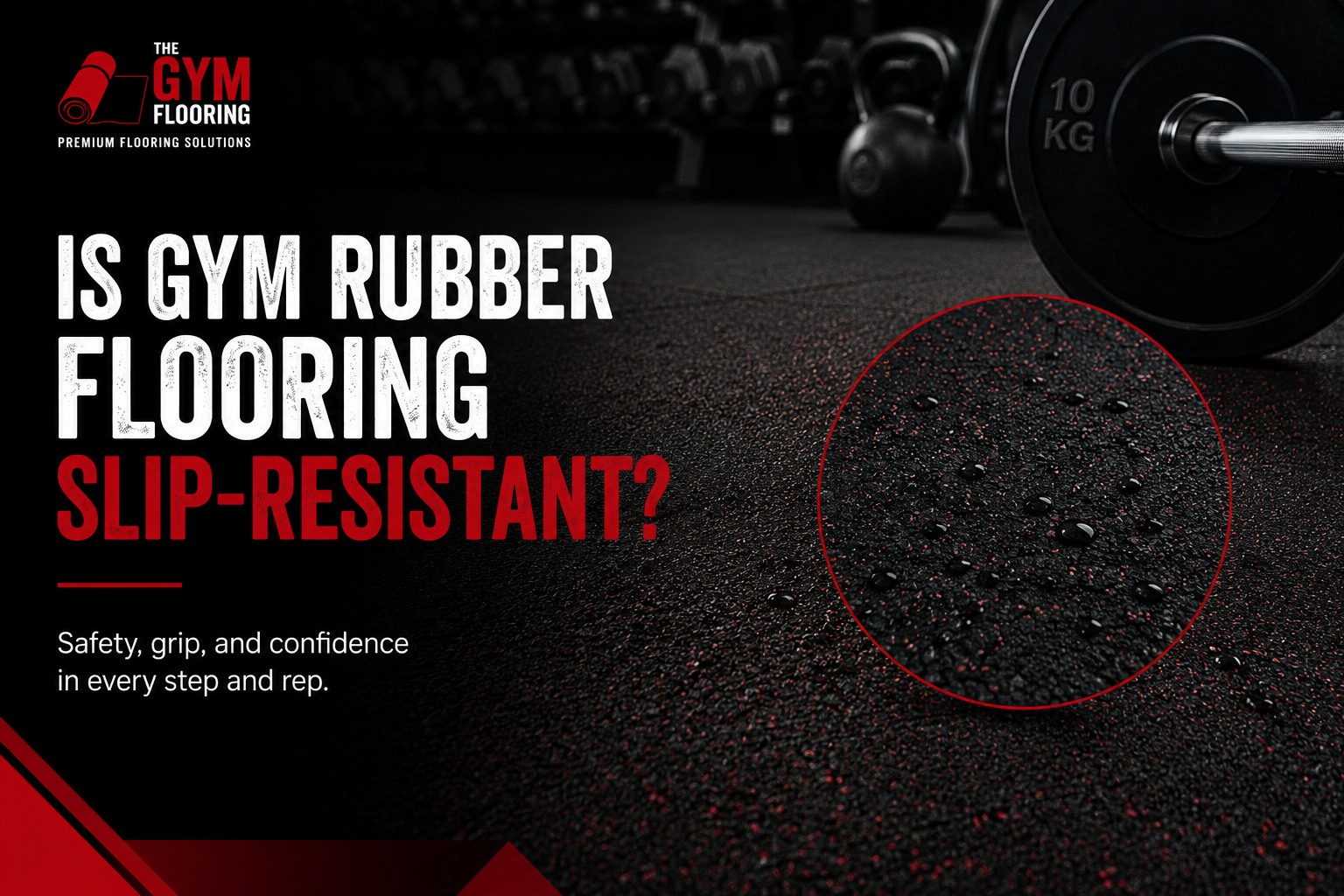
Yes, gym rubber flooring is slip-resistant due to its naturally textured surface that provides excellent grip even when wet with sweat or water.
I've been supplying rubber flooring to gyms across Mumbai, Delhi, and Hyderabad since 2016, and slip resistance is one of the top reasons gym owners choose rubber over tiles or vinyl.
Let me break down exactly how slip-resistant different rubber flooring options are and what affects their grip performance.
Why Rubber Flooring Provides Natural Slip Resistance
Rubber has a high coefficient of friction. This means when your foot or a weight plate contacts the surface, there's natural resistance that prevents sliding.
The textured patterns on rubber flooring aren't just decorative. Those raised diamonds, coins, or hammer patterns create multiple contact points that channel moisture away and maintain grip.
I see this play out in real gyms daily. During peak evening hours at a Andheri gym we floored last year, the cardio section gets drenched in sweat. Their 6mm rubber rolls maintain grip throughout, while their old ceramic tiles in the lobby turn into a skating rink with minimal moisture.
Rubber also stays grippy across temperature ranges. In un-air-conditioned gyms in Mumbai's summer heat or in cold morning sessions, rubber performs consistently.
Comparing Slip Resistance: Tiles vs Rolls
Both rubber tiles and rolls offer excellent slip resistance, but there are practical differences.
Rubber tiles (available from 10mm at Rs.55 per sq ft to 40mm at Rs.210 per sq ft) usually have more pronounced surface textures. The interlocking edges create slight height variations that add to grip.
I recommend tiles for heavy lifting zones. A powerlifting gym in Pune uses our 40mm tiles in their deadlift area. Lifters chalk up, sweat drips, but the thick textured surface keeps their feet planted.
Rubber rolls (2mm at Rs.50 per sq ft to 10mm at Rs.135 per sq ft) have smoother textures but still maintain excellent grip. They're better for cardio areas and functional training zones where you need slip resistance but also smooth movement for exercises like mountain climbers or burpees.
A CrossFit box in Bangalore went with our 8mm rolls at Rs.110 per sq ft throughout their 2,400 sq ft space. They do box jumps, rope climbs, and heavy Olympic lifts on the same floor without any grip issues.
What Reduces Slip Resistance (And How to Avoid It)
Rubber flooring doesn't stay slip-resistant forever if you neglect it. Three things kill grip over time.
First is chalk and powder buildup. Gyms that allow lifting chalk need to sweep daily. Chalk fills the textured grooves and creates a slippery layer. I've walked into gyms in Gurgaon where the rubber feels like ice because there's 3mm of chalk dust coating everything.
Second is oil and grease. Some gym owners use the wrong cleaning products or equipment oil drips onto the floor. Rubber is porous, so oils soak in and create slick spots. Use only water-based cleaners designed for rubber.
Third is wear smoothing. In extreme high-traffic areas like right in front of squat racks, years of the same foot placement can eventually smooth down the texture. This takes 5-7 years of heavy use though. You can rotate tiles or add new ones in those specific spots.
A simple weekly mop with mild detergent and water keeps rubber flooring at peak slip resistance. Don't overthink it.
Slip Resistance for Different Gym Zones
Not every part of your gym needs the same level of slip resistance. Here's how I typically recommend flooring based on the zone.
Free weight area: Go with 15mm or 20mm tiles (Rs.85 or Rs.100 per sq ft). The thicker rubber provides both slip resistance and shock absorption. Lifters stay planted, and dropped weights don't bounce into ankles.
Cardio section: 4mm or 6mm rolls (Rs.80 or Rs.95 per sq ft) work perfectly. Treadmill users stepping on and off need grip, but you don't need excessive thickness. The smooth roll surface also makes the treadmills sit level.
Functional training zone: This is where slip resistance matters most. Athletes doing agility drills, sled pushes, and plyometrics need maximum grip. I recommend 10mm tiles at Rs.55 per sq ft or 8mm rolls at Rs.110 per sq ft depending on your budget and whether you need extra cushioning.
Stretching and yoga area: Even thin 2mm rolls at Rs.50 per sq ft provide adequate slip resistance for low-intensity movement. Some gym owners skip rubber here entirely, but I've seen too many people slip during cool-down stretches on regular flooring.
A 3,000 sq ft gym in Navi Mumbai mixed products based on zones and came in at Rs.2.4 lakhs total. They used 20mm tiles for weights, 6mm rolls for cardio, and saved significantly versus installing premium flooring everywhere.
Testing Slip Resistance Before You Buy
Don't just trust specifications. Get actual samples and test them.
We ship samples from our Bhiwandi warehouse to anywhere in India. When you receive them, do real-world tests.
Pour water on the sample. Step on it with training shoes. Does your foot slide or grip? Try it with socks too, since some people stretch in socks.
Put the sample on the floor and push down hard with your palm while trying to slide it. Quality rubber shouldn't budge easily.
If you're buying for a specific use like Olympic lifting, put a sample down and actually do a few lifts on it. A gym owner in Ahmedabad tested our 30mm tiles (Rs.150 per sq ft) with full snatch sessions before ordering for his entire 1,800 sq ft facility.
The texture should feel grippy but not so aggressive that it's uncomfortable for floor exercises. Balance matters.
I've had gym owners reject perfectly good rubber because they only touched it with their hands. Your hands aren't your feet. Always test with shoes in realistic conditions.
WhatsApp us at +91-9818241705 — free quote within 4 hours.